In the world of electrical power distribution, maintaining insulation and mechanical strength is vital—especially in low-voltage systems. One device that plays a quiet but critical role in this domain is the shackle insulator, also known as a spool insulator. Compact, durable, and cost-effective, this component is essential for keeping distribution lines safe and stable. As part of the broader category of hardware fittings for transmission line infrastructure, shackle insulators contribute significantly to the reliability and performance of electrical networks.

A shackle insulator is a spool-shaped device primarily used in low-voltage electrical distribution systems. It’s typically made from porcelain or polymer materials and designed to insulate and support electrical conductors on poles. Unlike suspension insulators, shackle insulators can be installed in both horizontal and vertical orientations, giving engineers greater flexibility in mounting and design.
These insulators are ideal for short spans in urban, rural, or industrial networks, where line tension is not excessive but consistent performance is crucial.
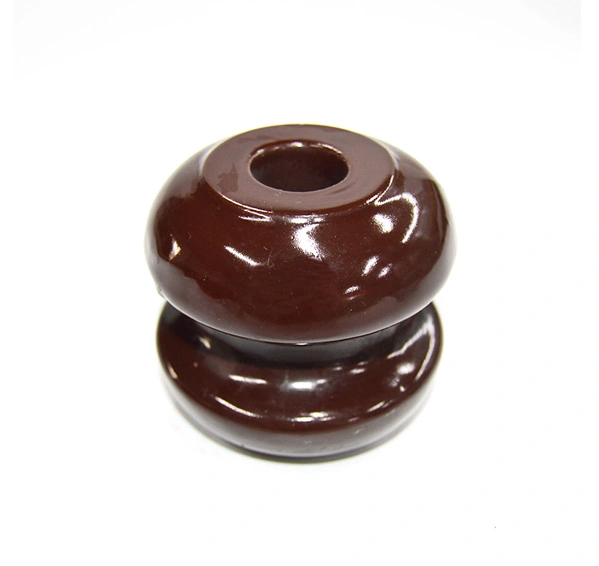
Shackle insulators are engineered for simplicity and durability. The key design features include:
High-grade porcelain body: Ensures excellent electrical insulation and weather resistance.
Central tapered hole: Allows for even stress distribution, minimizing the risk of cracking or breakage.
Grooved body: Holds the conductor securely in place.
Galvanized iron straps or bolts: Used to clamp the conductor and secure the insulator to poles.
Available in various standard sizes, shackle insulators can handle different voltage levels and mechanical loads depending on the application.
The working principle of a shackle insulator is straightforward yet highly effective. It acts as both a mechanical support and an electrical insulator. The conductor is tied securely around the grooved surface using soft binding wires or straps, ensuring it stays in place even under varying loads.
The tapered central hole plays a crucial role in distributing mechanical stress evenly, reducing the risk of internal cracking. Additionally, the insulator prevents current leakage by resisting the formation of conductive water films during wet conditions.
Shackle insulators are commonly found in:
Overhead low-voltage distribution lines
Electric and telecommunication poles
Urban and rural power supply networks
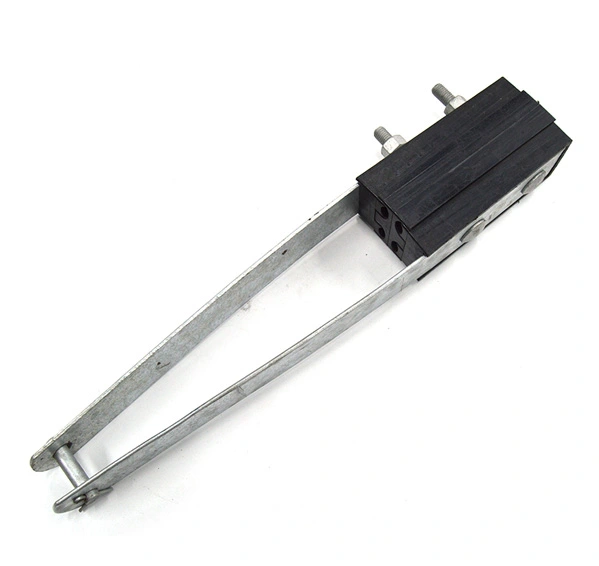
Their compact size and easy installation make them ideal for utility poles where space is limited. Shackle insulators are also widely used in pole line fittings, offering reliable performance in conjunction with other hardware like tension clamps and guy strain insulators.
Key Advantages:
Suitable for both horizontal and vertical installation
High mechanical and thermal strength
Cost-effective and easy to replace
Corrosion- and weather-resistant
Limitations:
Best suited for low-voltage applications
Not ideal for heavy tension or long-span lines
Less common in modern underground or smart grid networks

Shackle insulators remain a cornerstone of low-voltage electrical distribution, valued for their simplicity, durability, and efficiency. Whether you're upgrading infrastructure or planning new installations, understanding how these components work—and where to apply them—can significantly improve safety and reliability.
When paired with the right pole line fittings, shackle insulators provide a strong foundation for modern electrical networks.
 EN
EN