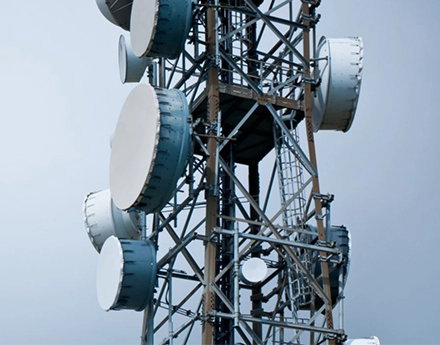
When dealing with wire rope terminations, safety, strength, and durability are non-negotiable. That’s where the clevis thimble comes into play—a simple yet powerful component designed to protect your cables and improve connection reliability under extreme tension. From utility poles to marine rigging and industrial construction, clevis thimbles are trusted by professionals for their dependable performance and long service life. For buyers looking to source in bulk, understanding the clevis thimble wholesale price is essential to balancing quality and cost-effectiveness in large-scale applications.
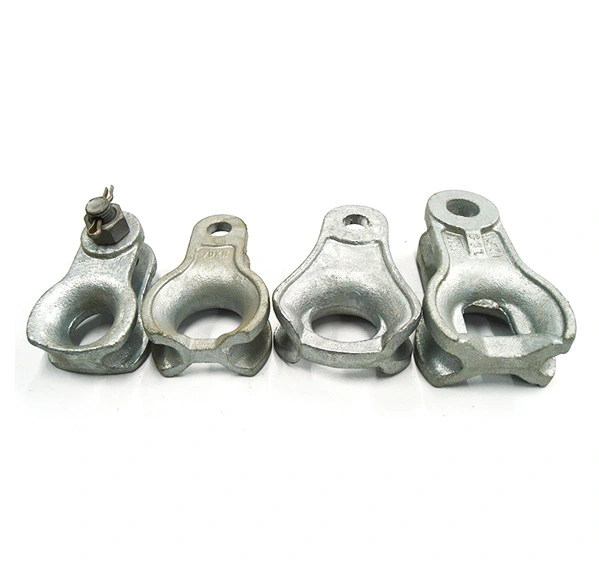
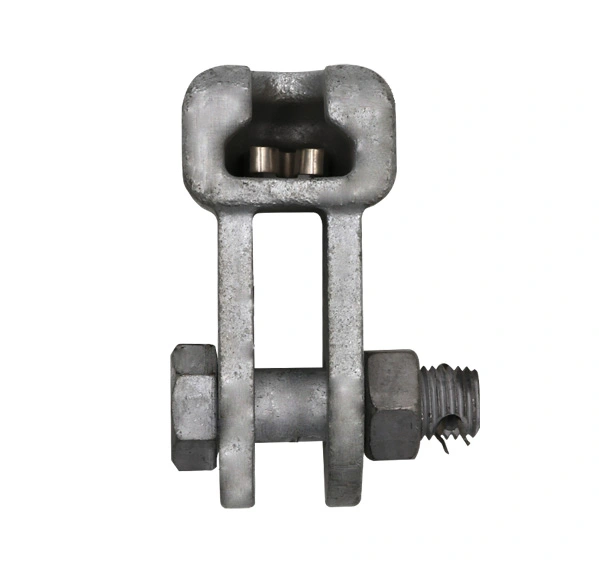
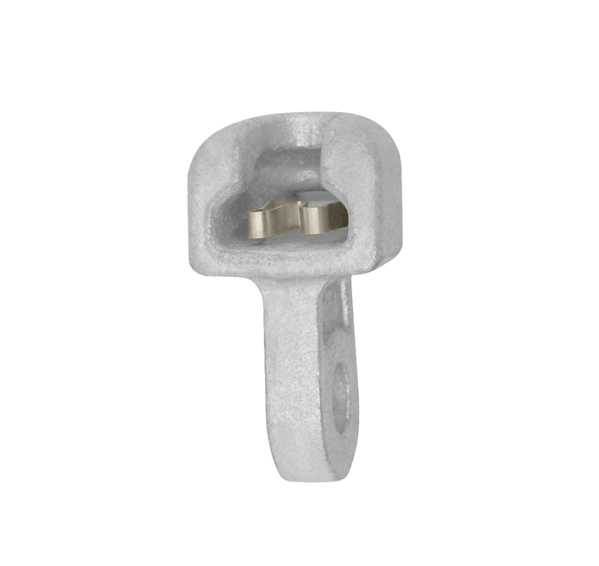
A clevis thimble is a rigging accessory that combines two critical functions into a single component: the reinforcement of the rope eye and a strong mechanical connection point. Structurally, it features a rounded thimble body where a wire rope loop rests, and a clevis-style U-shaped bracket with a removable pin or bolt. When sourcing China overhead line fittings, clevis thimbles are an essential part of the inventory, trusted for their reliability and durability in a variety of overhead line applications.
Here’s how it works:
The thimble body protects the eye of the wire rope from bending stress, abrasion, and crushing.
The clevis fitting connects easily to shackles, turnbuckles, or anchor rods, providing a secure attachment point without introducing cable strain.
This two-in-one solution is especially valuable in high-load environments where both protection and connection are needed in compact spaces. It removes the need for additional hardware while still meeting structural and safety requirements.
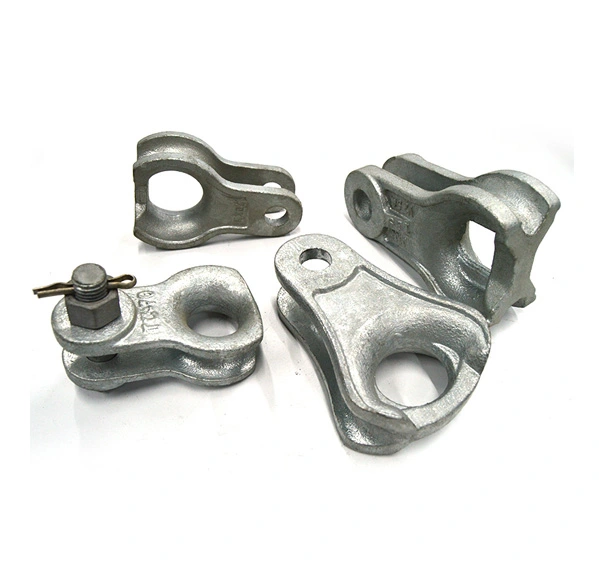
Using a clevis thimble in your rigging setup offers a wide range of performance, safety, and maintenance benefits:
The thimble’s curved inner surface prevents metal-to-metal contact between the cable and hardware. This minimizes wear, extends the lifespan of your wire rope, and reduces the likelihood of strand breakage.
By supporting the rope’s natural bend radius, clevis thimbles help distribute tension more evenly. This prevents stress concentration at the rope eye and helps maintain full cable strength under load.
The clevis pin makes installation fast and tool-friendly. No complicated splicing or extra fittings—just loop the cable, insert the pin, and tighten.
From saltwater to snowstorms, clevis thimbles are often constructed with hot-dip galvanized or 316 stainless steel, providing excellent corrosion resistance and weatherproofing in even the most extreme outdoor conditions.
For such a small component, a clevis thimble drastically reduces cable failure risk, lowers replacement costs, and boosts jobsite safety—making it a wise long-term investment for any operation that relies on tensioned cables.
The clevis thimble is a go-to component across industries where cables need to be anchored, pulled, or tensioned safely and efficiently. Some of the most common use cases include:
In electrical utility projects, clevis thimbles are used in conjunction with guy wires to support utility poles and towers. They help anchor high-tension cables securely to ground rods or structures, ensuring system stability in all weather conditions.
Whether mooring a vessel, towing equipment, or lifting cargo at sea, clevis thimbles offer reliable connections that resist saltwater corrosion and dynamic loads. They’re especially popular on ships, docks, and oil rigs.
In crane operations, hoisting systems, and scaffold installations, clevis thimbles enable secure wire rope terminations that meet strict load ratings and safety codes.
Farmers and landscape engineers use clevis thimbles to tension fencing lines, greenhouse cables, and trellising systems—making sure that their installations remain taut, weather-resistant, and long-lasting.
In any application where cables are used to pull, hold, or suspend loads, clevis thimbles deliver the durability and security needed for peace of mind.
Selecting the right clevis thimble ensures that your wire rope assembly performs safely and efficiently. Here’s what you need to consider:
Ensure that the thimble’s groove matches your wire rope size. A poor fit can cause deformation, slippage, or increased wear.
2. Load Rating / Working Load Limit (WLL)
Always verify the thimble’s load rating based on your application. Never exceed the WLL, and factor in safety margins as per OSHA or ASME guidelines.
For marine or outdoor use, opt for stainless steel or galvanized steel to prevent rust. For indoor, low-exposure environments, zinc-plated options may suffice.
Check for compliance with international standards such as ASTM, ANSI, or ISO—especially if you’re working on government or high-risk infrastructure projects.
Not all clevis thimbles are created equal. Work with a reputable supplier who provides material traceability, test data, and consistent quality assurance.
The clevis thimble may seem like a minor detail in your cable system, but it plays a major role in ensuring safety, reliability, and long-term performance. With the right selection, installation, and maintenance, this hardware piece will protect your cables and give your project the support it needs to perform under pressure.
From the top of utility poles to the decks of cargo ships, clevis thimbles are quietly doing the heavy lifting—day in and day out.
 EN
EN