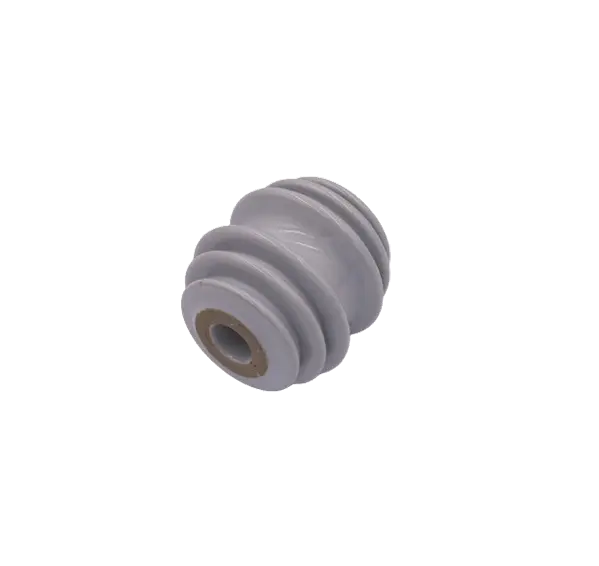
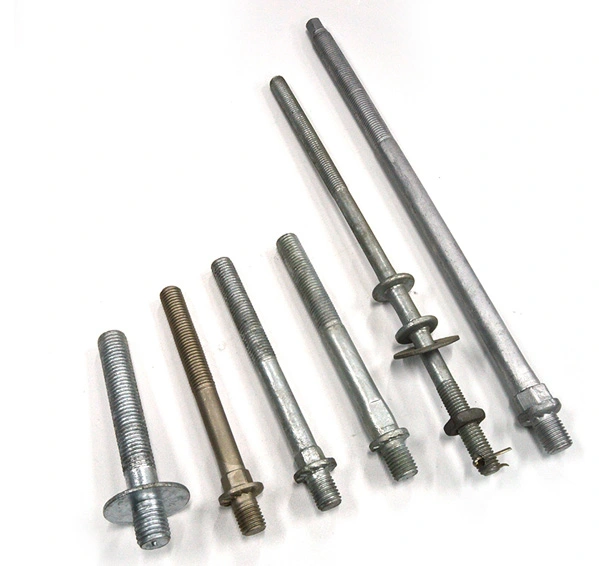
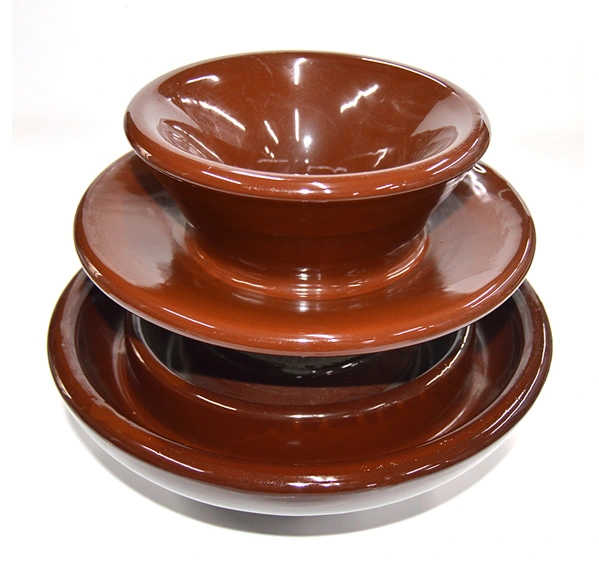
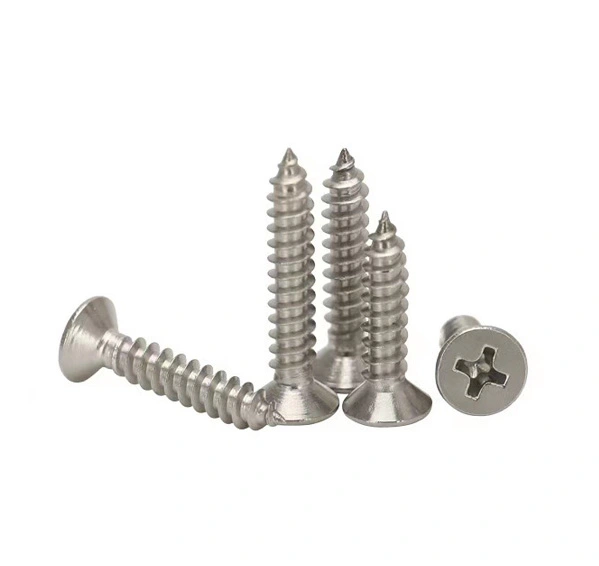
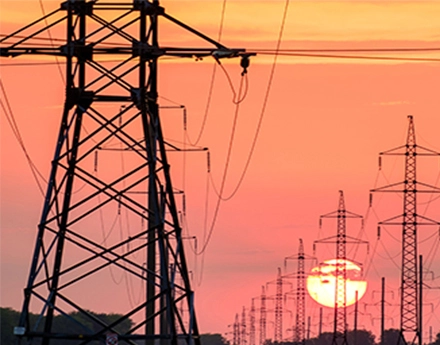
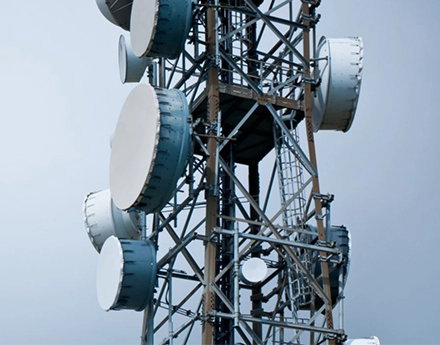
In modern power infrastructure, powerline hardware plays a critical role in ensuring the safety, stability, and efficiency of electrical transmission and distribution networks. From pole line fittings to overhead line accessories, these essential components are designed to connect, support, and protect conductors, transformers, and other electrical equipment. High-quality powerline hardware not only enhances system reliability but also minimizes energy loss and maintenance costs across large-scale grid projects.
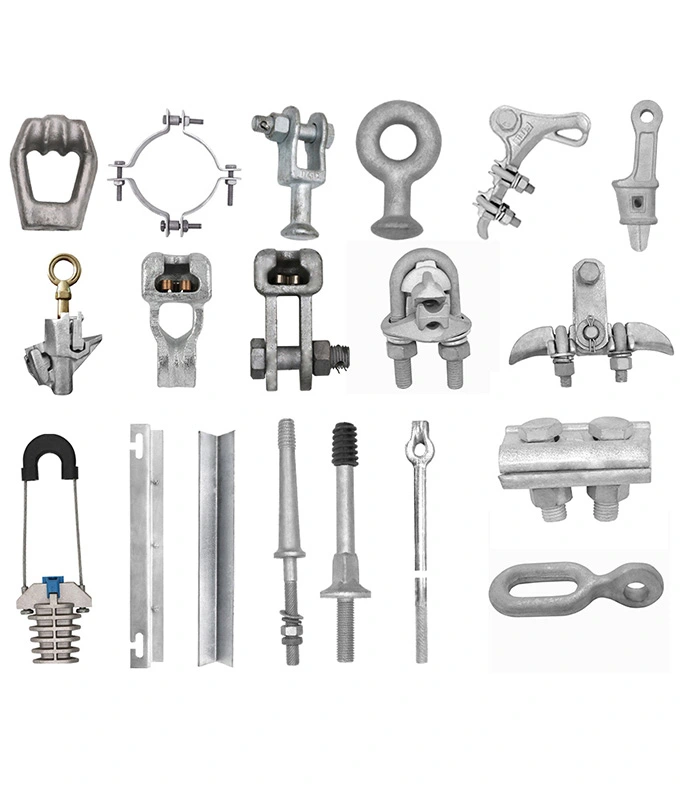
Powerline hardware, including overhead line fittings in China, refers to a wide range of mechanical and electrical fittings used in overhead and distribution lines. These components are typically manufactured from galvanized steel or aluminum alloy to withstand harsh environmental conditions such as wind, corrosion, and temperature fluctuations.
Secure and connect conductors and cables
Provide structural support for pole lines
Protect systems from electrical and mechanical damage
Ensure efficient and stable power transmission
To meet different application requirements, powerline hardware can be categorized into several functional groups:
| Category | Typical Products | Core Function |
|---|---|---|
| Connection Fittings | Clevis, eye bolts, yoke plates | Connect insulators and lines |
| Suspension Hardware | Suspension clamps | Support conductors on towers |
| Tension & Strain Fittings | Strain clamps, anchor bolts | Handle mechanical tension |
| Protective Fittings | Dampers, spacers, corona rings | Reduce vibration & wear |
| Fasteners & Accessories | U bolts, nuts, brackets | Fix and stabilize structures |
These components work together to ensure long-term operational safety and efficiency in transmission systems.
High-performance powerline hardware is widely used in:
Overhead transmission lines
Substations and power plants
Renewable energy projects (solar & wind)
Telecommunication infrastructure
These fittings are essential for maintaining grid reliability, especially in high-voltage environments where even minor failures can lead to significant disruptions.
| Feature | Benefit |
|---|---|
| Corrosion Resistance | Longer service life in harsh environments |
| High Mechanical Strength | heavy loads and extreme weather |
| Easy Installation | Reduced labor and downtime |
| Precision Engineering | Improved transmission efficiency |
| Low Maintenance | Cost savings over time |
Advanced manufacturing techniques, such as hot-dip galvanizing and innovative coating technologies, further enhance durability and reliability.
As global demand for energy infrastructure continues to grow, powerline hardware remains a fundamental element in building safe, efficient, and durable power transmission systems. Whether for new installations or upgrades, investing in high-quality pole line hardware fittings is essential for long-term operational success.
 EN
EN