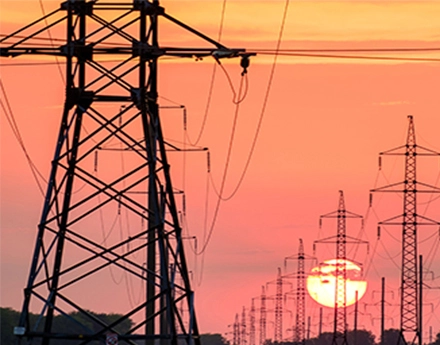
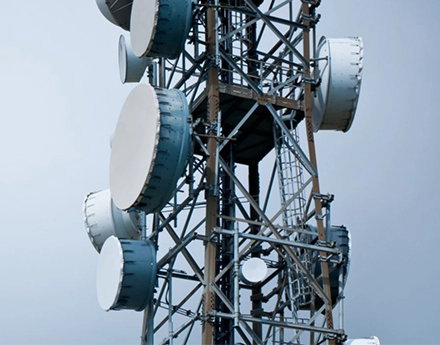
For global procurement managers, the task of sourcing power transmission components is a high-stakes responsibility. The socket clevis is not merely a piece of metal; it is a critical link in the grid that ensures the structural integrity and mechanical safety of overhead lines. Selecting an unreliable supplier can lead to increased maintenance costs, safety hazards, and catastrophic grid failures.
This guide outlines the essential pillars of evaluating a socket clevis factory to ensure your projects remain safe, compliant, and on schedule.
When evaluating a potential partner, look past the sheer volume of output. A truly reliable socket clevis factory demonstrates technical depth in its production environment. This includes the presence of automated CNC machining lines that ensure dimensional precision—a vital factor for the mechanical fit between the socket and the insulator.
Furthermore, assess the factory's agility in handling complex custom designs. A manufacturer capable of in-house mold development can react faster to project-specific requirements, reducing lead times and ensuring that the hardware meets the unique demands of your specific transmission project.
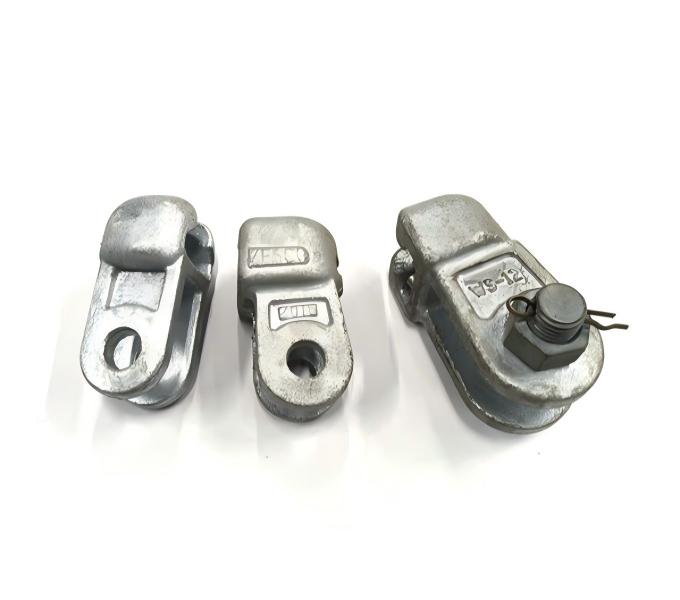
In power infrastructure, quality control is the barrier between a resilient grid and a failing one. You must verify that the factory employs a full-chain traceability system. From the procurement of high-grade raw steel to the final inspection, each batch must be documented.
Request transparency regarding their laboratory testing facilities. A professional supplier should provide verified data on mechanical load capacity, heat treatment depth, and chemical composition analysis. This level of transparency confirms that the products can withstand the thermal and mechanical stresses inherent in long-term field operation.
Global power projects operate across diverse regulatory landscapes. A reliable socket clevis factory must demonstrate that its products comply with recognized international standards, such as IEC, ANSI, or ASTM.
Possessing ISO 9001 certification or similar quality management credentials is a baseline requirement. However, also look for specific evidence of compliance with galvanization standards (e.g., ASTM A153), which are critical for preventing oxidation and ensuring the hardware survives decades of outdoor exposure. Ensuring compliance from the start prevents costly legal and technical complications during the construction phase.
Infrastructure projects are notoriously sensitive to timelines. A factory's "reliable" label is often defined by its ability to manage logistics under pressure. Evaluate the manufacturer’s experience with international exports—specifically their ability to handle secure, weather-resistant packaging and coordinate with global shipping partners.
Supply chain resilience involves having a buffer in raw material inventory and a flexible production schedule. Before signing a contract, discuss their historical track record regarding on-time delivery rates for overseas clients to gauge their operational stability.
At Yongguang, we understand that a socket clevis factory should be more than just a vendor; it should be a strategic asset. We operate on the core tenet: "Survive with quality, create a brand with reputation".
What sets us apart is our commitment to transparency. We provide our global partners with:
Technical Clarity: Comprehensive data on load capacity and material integrity for every order.
Operational Openness: A responsive team that ensures you remain informed throughout the production and delivery process.
Professional Expertise: A deep commitment to overhead line fittings that blend innovation with proven reliability.
By choosing Yongguang, you are securing a partner dedicated to your project's longevity and performance. If you are ready to discuss your requirements, we invite you to contact us today to receive a comprehensive proposal tailored to your technical needs.
The selection of a socket clevis factory is a foundational decision in any transmission project. By prioritizing manufacturing precision, rigorous quality control, international standard compliance, and logistical transparency, procurement managers can mitigate risks and ensure project success. Yongguang stands ready to serve as your partner, providing high-performance hardware that meets the global industry's most demanding requirements.
1. What is the most important technical check when vetting a socket clevis factory?
The most important checks are the material chemistry reports and the Minimum Ultimate Tensile Load (MUTL) test results, which confirm the hardware’s ability to withstand actual field stresses.
2. How does galvanization quality impact my project costs?
High-quality, hot-dip galvanization prevents premature rust, significantly lowering the total cost of ownership by reducing the need for early hardware replacement and emergency maintenance.
3. Why should I choose a factory with in-house mold development?
In-house mold development allows for faster prototyping, better control over product dimensions, and the ability to customize hardware to fit unique transmission line configurations.
4. How can I ensure delivery timelines are met?
Before selecting a partner, review their historical performance data, inquire about their current capacity utilization, and ensure they have a proven logistics plan for international shipping.
 EN
EN