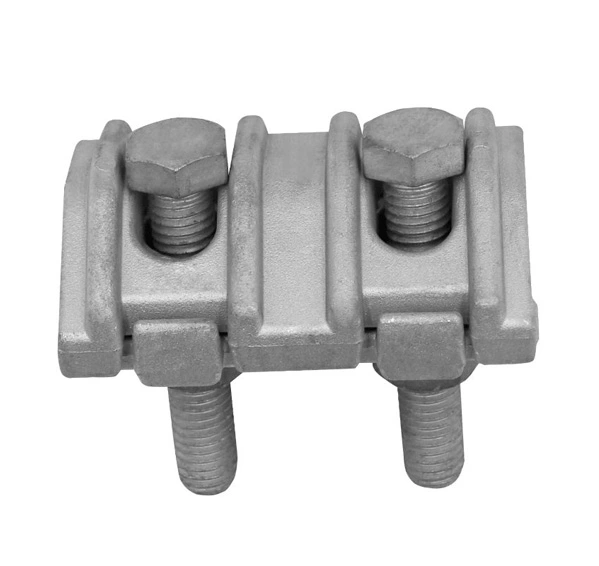
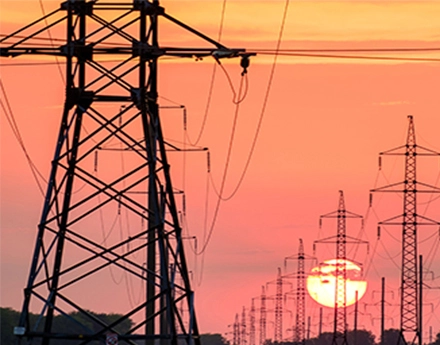
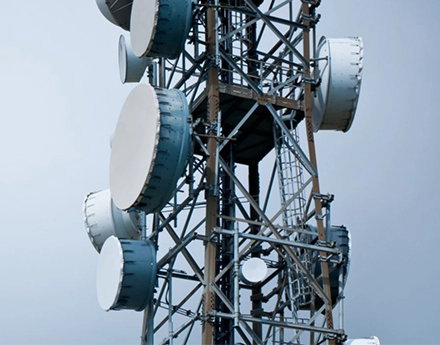
A PG clamp (Parallel Groove Clamp) is a critical electrical connector used in overhead transmission and distribution systems to securely join conductors without damaging them. It ensures stable electrical continuity and mechanical strength in modern power grids.
PG clamps are widely used in global infrastructure projects across the United States, Europe, the Middle East, and Asia, especially in power transmission, substations, and renewable energy systems.
What Is a PG Clamp?
A PG clamp is an electrical connector designed to join two parallel conductors using grooved metal bodies and high-strength bolts.
A PG clamp is a mechanical and electrical connector used in transmission lines to connect parallel conductors safely and efficiently without cutting or damaging the cable structure. PG clamps are commonly used in:
Overhead transmission lines
Distribution networks
Substation busbar connections
Renewable energy systems
They ensure:
Stable electrical contact
Low resistance connection
Mechanical load support
Material and Engineering Design
Definition:
PG clamp engineering design refers to the use of conductive and corrosion-resistant metals combined with high-pressure bolting systems to ensure long-term electrical and mechanical performance. PG clamps are typically manufactured using:
Aluminum alloy (conductivity ≥ 61% IACS)
Copper alloy (conductivity ≥ 90% IACS)
Hot-dip galvanized steel bolts
Anti-oxidation surface treatment
Engineering performance data:
Tensile strength: 40–120 kN depending on model
Operating temperature: -40°C to +120°C
Service life: 20–30 years in outdoor environments
Key design features:
Parallel groove structure
High-torque bolt system
Anti-slip conductor grip
Corrosion-resistant coating
Advantages of Using PG Clamp
Definition:
PG clamp advantages refer to the mechanical, electrical, and operational benefits that ensure reliable conductor connection in power transmission systems.
Key advantages:
1. High Electrical Conductivity
Reduces power loss by maintaining stable low-resistance contact (<0.0001Ω typical contact resistance).
2. Strong Mechanical Grip
As a vital category of distribution pole line hardware, PG clamps offer a strong mechanical grip that withstands wind loads up to 150 km/h in standard overhead installations.
3. Easy Installation
Bolt-tightening design reduces installation time by up to 40% compared to welded connections.
4. Long Service Life
Designed for 20+ years of outdoor use with minimal maintenance.
5. Cost Efficiency
Reduces system downtime and maintenance cost by 25–35%.
Global Demand for PG Clamp
Definition:
Global demand for PG clamps refers to the increasing worldwide adoption of parallel groove clamps in electrical transmission and distribution infrastructure. As essential electrical cable accessories, these clamps are witnessing a steady market growth. The global PG clamp market is growing at an estimated CAGR of 5.8% (2024–2030) driven by:
Smart grid expansion
Renewable energy integration
Urban electrification
Infrastructure modernization
Regional demand:
USA: Grid modernization projects
Europe: Renewable energy expansion
Middle East: Large-scale infrastructure development
Asia: Rapid urban power network expansion
Industry usage share:
Power transmission: 55%
Distribution systems: 25%
Renewable energy: 15%
Industrial systems: 5%
PG clamps are in increasing demand due to smart grid expansion, renewable energy integration, urban electrification, and infrastructure modernization. They are often used alongside electrical transmission line hardware fittings in projects spanning North America, Europe, the Middle East, and Asia.
Why Choose HBYGLE PG Clamp
Definition:
HBYGLE PG clamp solutions refer to high-performance engineered electrical connectors designed for global transmission line systems with strict quality control and OEM customization. HBYGLE is a professional manufacturer of PG clamps for transmission line applications.
Brand advantages:
ISO-standard manufacturing system
OEM/ODM customization support
Export experience in 30+ countries
Strict 100% mechanical and conductivity testing
Product performance:
Contact resistance: ultra-low (<0.0001Ω)
Load capacity: up to 120 kN
Corrosion resistance: salt spray test >1000 hours
Application Industries
PG clamps manufactured by HBYGLE are widely used in:
Power transmission lines
Substation systems
Solar energy plants
Wind power systems
Industrial electrical grids
FAQs
1. What is a PG clamp used for?
A PG clamp is used to connect two parallel conductors in transmission lines safely and efficiently.
2. What materials are PG clamps made of?
They are typically made of aluminum alloy, copper alloy, and galvanized steel bolts.
3. How long does a PG clamp last?
High-quality PG clamps can last 20–30 years in outdoor environments.
4. Are PG clamps suitable for high voltage systems?
Yes, they are widely used in medium and high voltage transmission systems.
5. What is the difference between PG clamp and welding?
PG clamps are detachable and maintenance-friendly, while welding is permanent and less flexible.
6. Why is PG clamp important in power systems?
It ensures stable electrical connection and mechanical strength in overhead lines.
Conclusion
The PG clamp is an essential component in modern transmission line systems, ensuring safe, efficient, and stable electrical connectivity. With increasing global demand for reliable power infrastructure, high-quality PG clamps are critical for grid modernization and renewable energy expansion. HBYGLE PG clamps deliver superior mechanical strength, electrical performance, and long-term durability, making them a trusted choice for global power projects.

 EN
EN