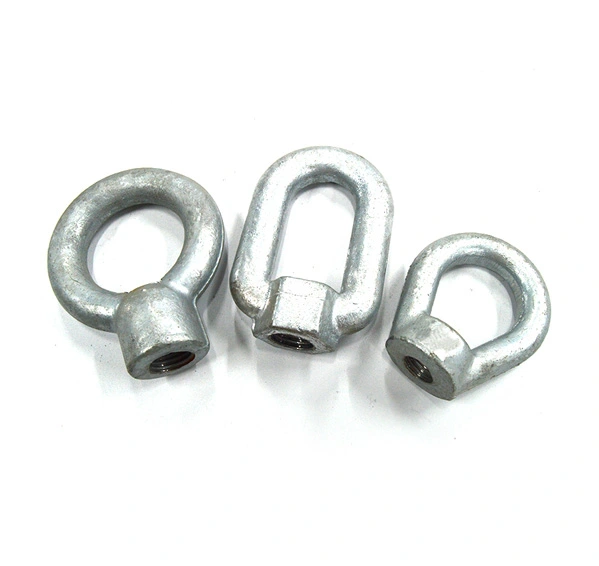
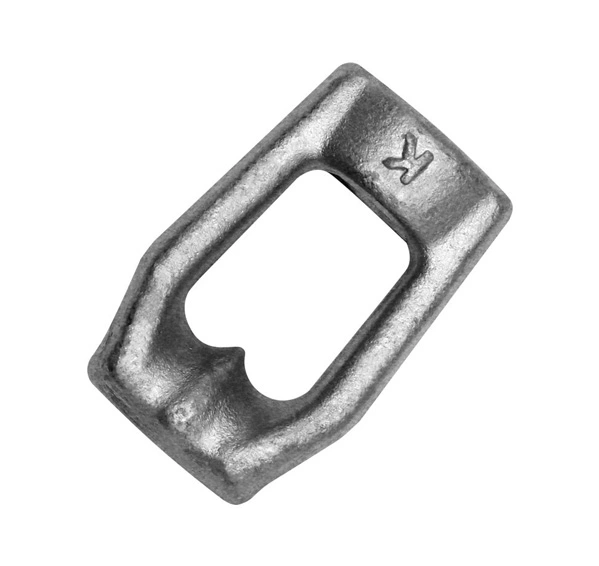
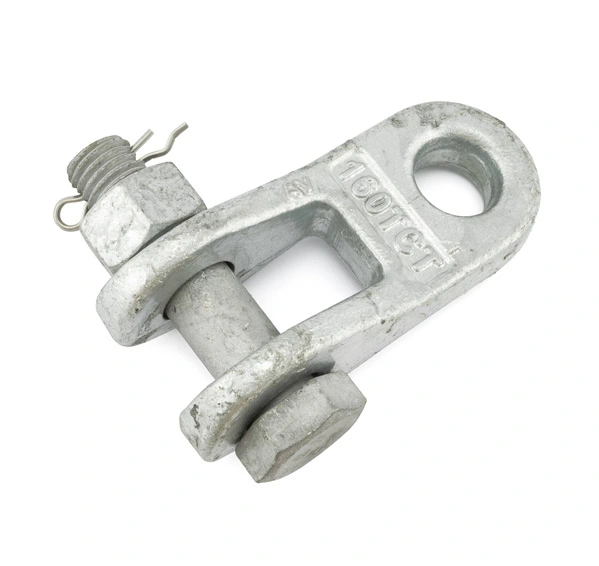
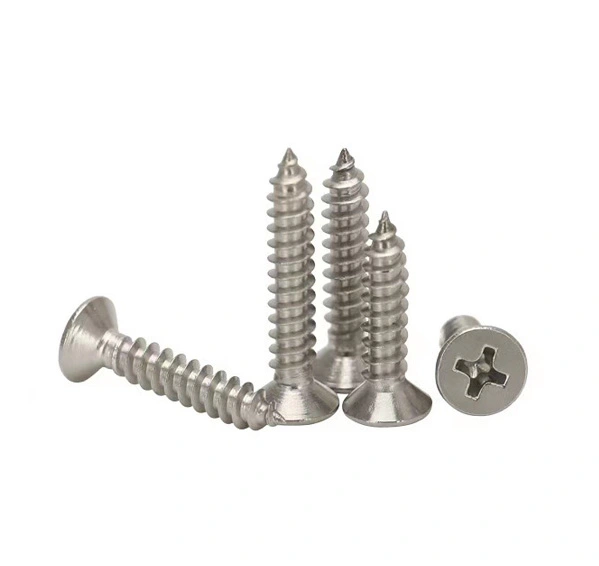
In the complex landscape of electrical power systems, grid stability often depends on the most specialized components. The socket clevis is an essential piece of hardware in pole line technology, serving as a critical interface for connecting and securing power lines. For those managing overhead transmission and distribution networks, understanding the anatomy and quality standards of a China socket clevis is crucial for ensuring long-term operational success.
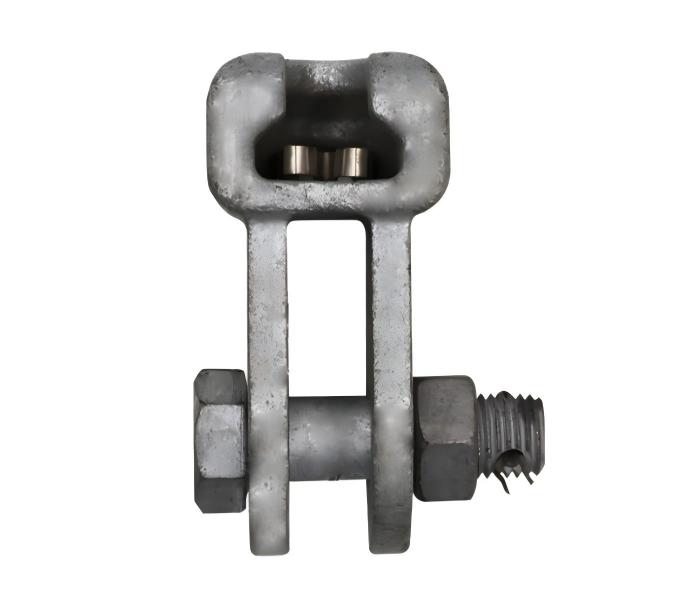
A socket clevis is a mechanical coupling device primarily used in overhead lines to connect the socket-type insulator string to other essential hardware, such as tension clamps. It functions as a bridge that allows for mechanical articulation and structural connection, which is vital for the seamless functioning of power lines.
This component matters because it helps enhance the overall safety and reliability of the transmission system. By providing a secure and flexible connection, it enables the system to withstand mechanical stress and thermal stress, preventing premature failures that could lead to outages. Furthermore, by connecting two wires simultaneously in certain configurations, it effectively enhances the stability of the entire transmission assembly.
The socket clevis is engineered with two distinct functional ends:
The Socket (Bowl) End: This side is designed to connect to the ball-head of an insulator, ensuring a precise and secure fit.
The Clevis (U-shaped) End: This side facilitates the attachment of other hardware, such as tension clamps or shackles, allowing for a versatile range of configurations in pole line hardware.
The design features high-strength materials specifically chosen to withstand large mechanical loads. Its geometry is calculated to provide the necessary mobility for the transmission line while maintaining the structural rigidity required for high-tension environments.
To ensure reliability, a reputable China socket clevis factory follows a rigorous manufacturing protocol designed to meet strict quality standards. The process is summarized in the table below:
| Manufacturing Stage | Description and Purpose |
|---|---|
| Material Selection | Utilizes high-grade steel to provide the necessary durability and load resistance required for power infrastructure. |
| CNC Machining | Ensures precision cutting and threading, resulting in a perfect mechanical fit for all assembled parts. |
| Heat Treatment | Enhances the material's hardness and wear resistance, allowing it to cope with long-term mechanical stress. |
| Galvanizing | Applies a protective zinc coating to provide essential corrosion and oxidation protection, significantly extending the hardware's service life. |
| Rigorous Testing | Subjects every unit to load capacity and safety compliance testing to verify it meets the demanding requirements of electrical projects. |
In a typical transmission line assembly, the socket clevis acts as the dynamic link within the overhead line fittings system. Because overhead lines are subject to movement from wind and thermal expansion, the articulation provided by this hardware is essential. It prevents the accumulation of rigid stress, which protects insulators and clamps from fatigue. By serving as a major component in pole line hardware, it allows the entire insulator string to remain stable under varying environmental and mechanical loads.
As a leading China socket clevis factory, Yongguang is dedicated to producing high-quality fittings that contribute to the efficiency and resilience of power transmission systems. Our expertise in manufacturing ensures that every piece of hardware—from fasteners to insulators—meets the high expectations of the industry.
We combine advanced manufacturing processes with a commitment to our tenet: "Survive with quality, create a brand with reputation". Whether you are sourcing components for complex transmission projects or looking for a long-term supplier, we are here to provide dependable, high-performance solutions.
If you are interested in learning more about how our hardware can improve your network stability, please contact us for a detailed consultation.
1. What is the primary role of a socket clevis in transmission lines?
It acts as a mechanical connector that joins socket-type insulators with other line hardware like tension clamps, providing necessary structural support and articulation.
2. How does the manufacturing process ensure the quality of a China socket clevis?
By using high-grade steel, precision CNC machining, heat treatment for hardness, and hot-dip galvanizing for corrosion resistance, the hardware is built to withstand extreme mechanical and environmental stress.
3. Why is corrosion protection important for this hardware?
Since these components are installed outdoors in diverse environments, galvanization is necessary to prevent oxidation and rust, ensuring a long service life.
4. Where can I find professional-grade line hardware?
You can explore a comprehensive range of professional overhead line hardware and transmission components on our official product page.
 EN
EN