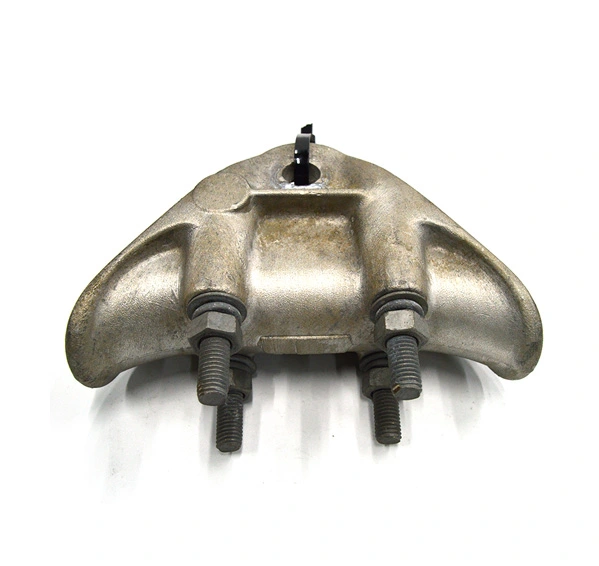
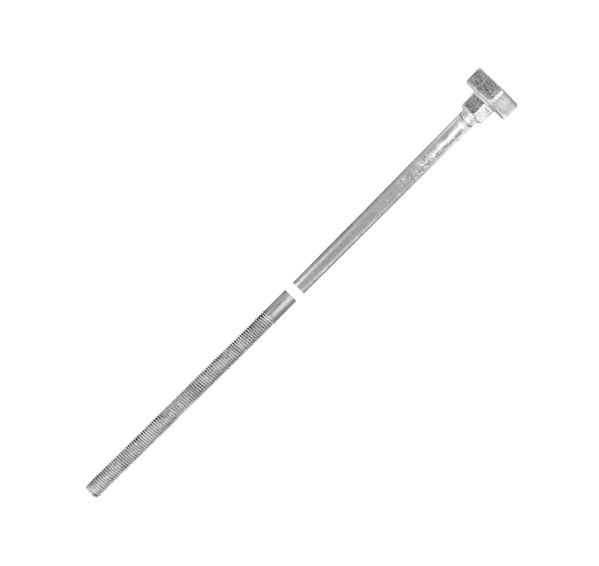
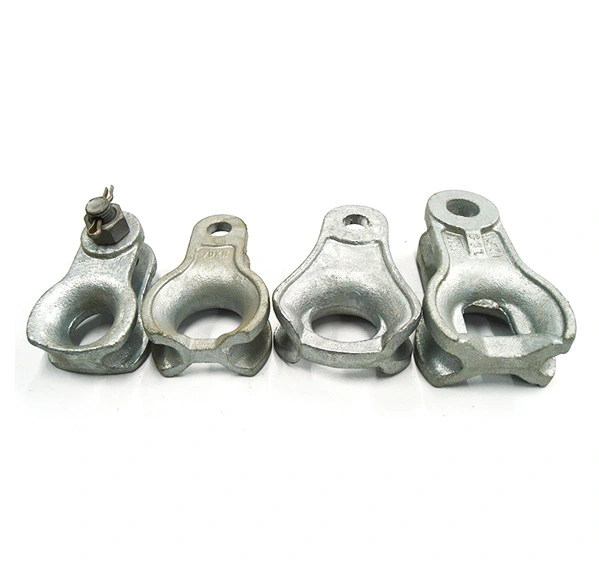
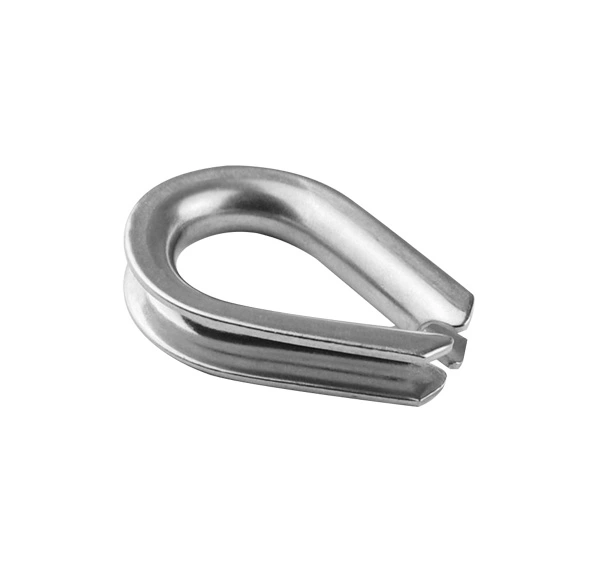
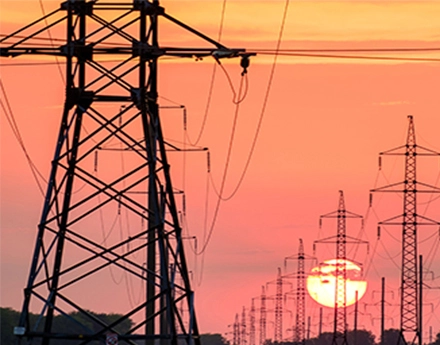
The spindle pin is a widely used component in electrical insulation systems, particularly in overhead line construction and power distribution infrastructure. Its ability to provide strong mechanical support while maintaining structural alignment makes it a key element in modern electrical engineering.
With increasing global demand for stable and efficient power transmission systems, spindle pins are now widely deployed across the United States, Europe, the Middle East, Africa, and Asia.
What Does a Spindle Pin Do?
A spindle pin is used to connect insulators to supporting structures such as crossarms, brackets, and pole-mounted fittings. As a specialized spindle pin for insulation, it ensures that electrical insulators remain securely fixed while withstanding mechanical stress caused by wind, vibration, and conductor tension. In most applications, spindle pins must perform under:
High mechanical load
Outdoor environmental exposure
Electrical system vibration
Long-term operational stress
Key Applications of Spindle Pin
1. Overhead Power Transmission Systems
Spindle pins are widely used in overhead transmission lines to ensure stable suspension of insulators and conductors. In many installations, they work in conjunction with strain clamp wedges to maintain proper conductor tension and alignment, which is especially important in long-distance power transmission networks.
2. Electrical Distribution Networks (USA & Europe)
In urban and suburban grids, spindle pins help maintain reliable electricity distribution by securing insulation assemblies on poles and towers.
3. Substation Equipment
Spindle pins are used in substations to support high-voltage insulation structures, ensuring safe and stable energy flow.
4. Railway Electrification Systems
Modern railway networks rely on spindle pins to secure overhead line equipment and maintain consistent power supply.
5. Renewable Energy Infrastructure
In solar farms and wind power systems, spindle pins are used in electrical connection assemblies to ensure long-term reliability.
Material and Engineering Advantages
To meet the rigorous demands of modern infrastructure, these pole line hardware fittings must adhere to strict metallurgical standards. High-performance spindle pins are typically manufactured using:
Hot-dip galvanized steel
Corrosion-resistant alloy steel
Precision-machined components
These materials ensure:
Resistance to rust and oxidation
Long service life in harsh environments
High load-bearing capacity
Reduced maintenance requirements
Global Demand Growth
The global push toward infrastructure modernization and renewable energy adoption has significantly increased demand for spindle pins. Countries investing in grid expansion and smart energy systems rely heavily on durable overhead power line hardware to ensure network resilience. Regions with strong demand include:
United States (grid modernization projects)
Europe (renewable integration systems)
Middle East (industrial infrastructure expansion)
Southeast Asia (rapid urban development)
Conclusion
The spindle pin is an essential component in modern electrical infrastructure. Its wide range of applications across power transmission, substations, railways, and renewable energy systems demonstrates its importance in global engineering projects. Choosing a high-quality spindle pin ensures system stability, safety, and long-term operational efficiency.

 EN
EN