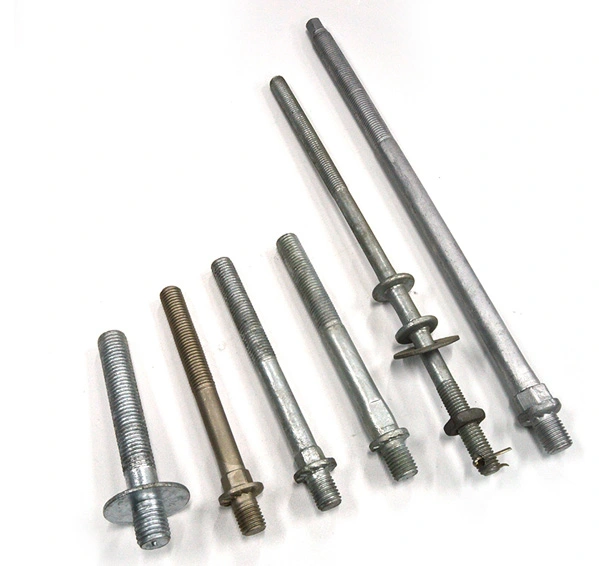
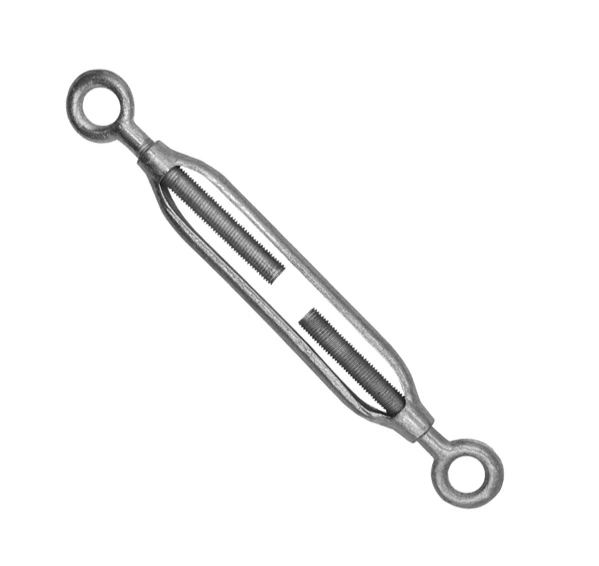
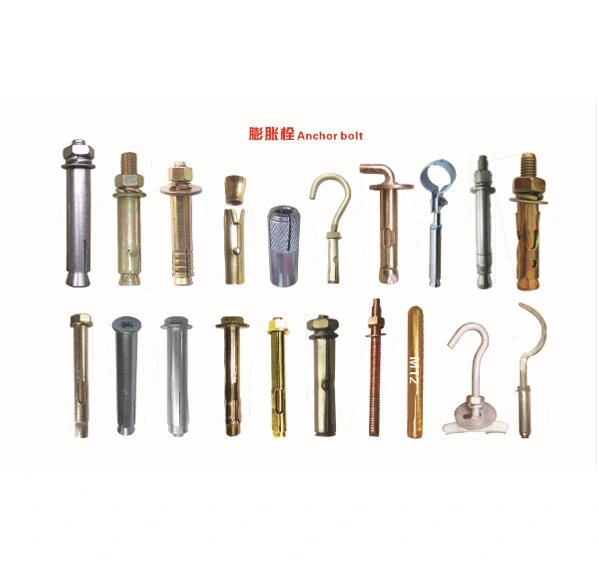
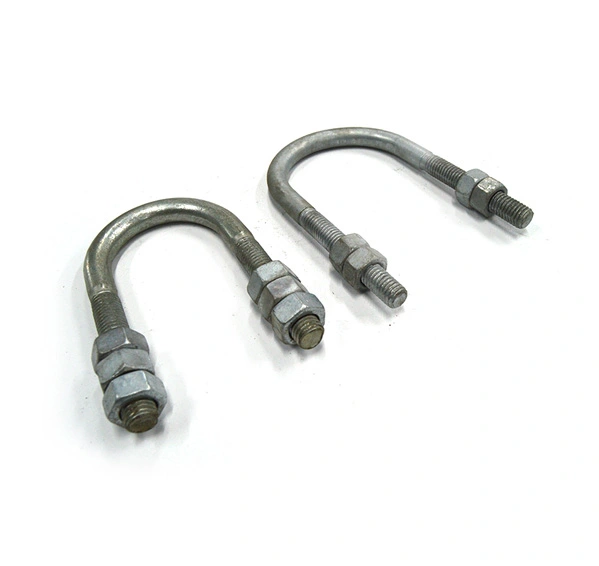
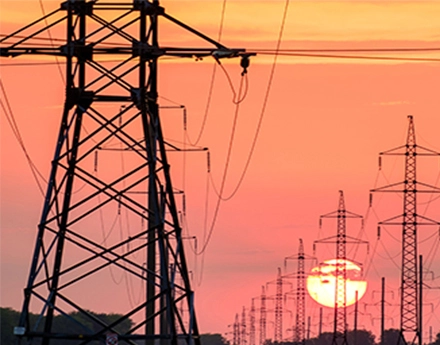
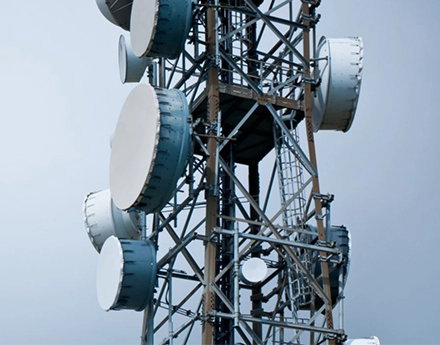
Pigtail bolts are widely used in electrical infrastructure systems to support and secure overhead line hardware. Their flexible structure and strong mechanical performance make them essential components in modern power networks. These bolts often complement overhead line fittings, ensuring precise installation and long-term stability.
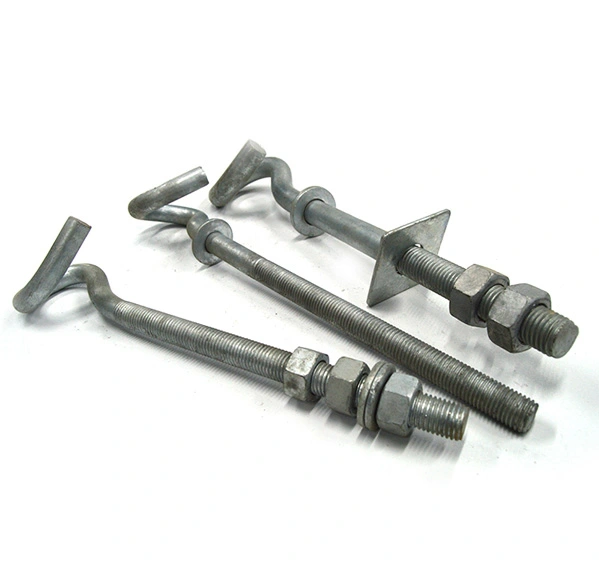
A pigtail bolt is used to connect and support:
Suspension clamps
Dead-end clamps
Insulator assemblies
Pole-mounted fittings
Definition:
A pigtail bolt is a mechanical fastener used in overhead transmission systems to securely fix electrical components onto utility poles and structures. These bolts are fundamental overhead transmission line accessories designed to maintain structural integrity under mechanical stress.
Used for securing conductor clamps in high-voltage networks.
Supports stable electrical supply in urban and rural grids.
Ensures mechanical fixation of electrical hardware systems.
Used for cable fixation on communication poles.
Supports wiring structures in solar and wind installations.
Hot-dip galvanized steel construction
High tensile strength design
Anti-corrosion coating
Precision threading system
Demand is driven by:
Smart grid development
Renewable energy expansion
Urban electrification projects
High installation efficiency
Reduced maintenance frequency
Strong environmental resistance
Long-term operational stability
As a premier manufacturer of high-performance pole line hardware fittings, HBYGLE leverages decades of industry expertise to deliver reliability. Our facility is equipped with:
Advanced production equipment
Strict QC system
Global export capability
OEM support
Pigtail bolts are essential across multiple electrical infrastructure systems worldwide, ensuring safe and stable power distribution.
 EN
EN