EN
EN 
For buyers sourcing PG clamps in transmission line projects, a clear specification makes quotations easier to compare and reduces the risk of receiving a clamp with unsuitable grooves, dimensions or hardware. This guide explains how to turn the actual connection requirements into an accurate inquiry.
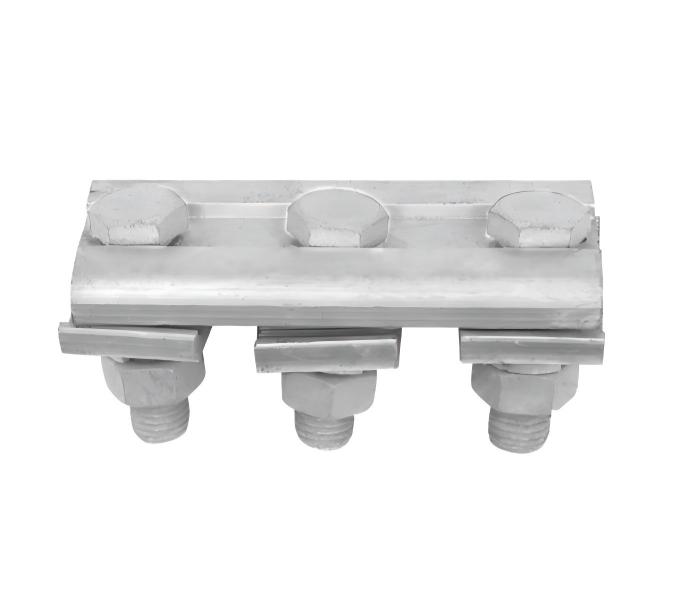
What Is a PG Clamp?
PG stands for parallel groove. A PG clamp uses matching grooves and a bolted structure to connect two conductors positioned in parallel. Rather than being selected as an isolated component, the clamp should be considered as part of the complete conductor connection.
Its body, groove dimensions and bolt arrangement must work with the materials and sizes of both conductors. Two clamps that appear similar can therefore be intended for different conductor combinations. Understanding the true PG clamp meaning goes beyond a simple definition — it involves recognizing how the product’s design, materials and sizing work together to ensure a reliable connection in overhead line systems.
Start with the Two Conductors, Not the Clamp Model
The most common starting point for an inquiry is a clamp model or reference image. However, the two conductor specifications are more important because they determine whether the grooves can form the intended connection.
For each conductor, provide its material, construction, nominal size and outside diameter when available. The inquiry should also state whether it is bare or covered. If one clamp is expected to accommodate several conductor sizes, list the complete range instead of providing only the smallest or largest value.
| Information Required | Conductor A | Conductor B |
|---|---|---|
| Material | Specify the conductor material | Specify the conductor material |
| Type or construction | Provide the conductor designation | Provide the conductor designation |
| Nominal size | State the specified size | State the specified size |
| Outside diameter | Provide if available | Provide if available |
| Surface condition | Bare or covered | Bare or covered |
When a project includes several conductor pairings, prepare a separate row for each one. This allows the supplier to determine whether one PG clamp model can cover multiple connections or whether different models are required.
Read the Drawing Before Comparing Prices
A product drawing gives the buyer and supplier a shared technical reference. It is especially important when models from different manufacturers do not use the same naming system.
The drawing should show the conductor groove ranges, overall clamp dimensions, number of bolts, bolt spacing and main hardware configuration. It should also carry a model number or drawing number so that the approved design can be identified in later communication.
Pay particular attention to the grooves. A general outside dimension may look correct while the conductor-contacting area is designed for a different size range. The bolt arrangement should also be checked because the number, size and positioning of the bolts can vary between products.
Once a drawing has been approved, record its revision in the purchase order. This is more reliable than referring only to an email attachment or a supplier’s online product name.
Material and Bolt Configuration Should Match the Project
The clamp body and fastening hardware should be confirmed separately. A general description such as “aluminum PG clamp” does not provide enough information to define the complete assembly.
YONGGUANG’s current product information lists an aluminum alloy body and galvanized steel bolts. The exact material configuration for the ordered model should still be confirmed in the quotation, drawing or purchase specification.
| Part of the Clamp | What the Buyer Should Confirm | Why It Matters |
|---|---|---|
| Clamp body | Material and groove configuration | Must suit the specified conductor pairing |
| Bolts | Material, quantity, diameter and length | Affects the supplied assembly and installation |
| Nuts and washers | Material and quantity included | Prevents missing or substituted hardware |
| Pressure components | Design and position where applicable | Should match the approved clamp construction |
| Surface finish | Specified treatment and workmanship | Supports consistent outdoor product quality |
If a supplier proposes an alternative material or hardware configuration, ask for an updated drawing and written explanation. A substitution should be reviewed against the project requirements rather than accepted only because the clamp has a similar appearance or a lower price.
When a Standard PG Clamp Is Not Enough
Standard models are suitable for many common conductor combinations, but they may not cover every utility drawing or project requirement. Customization may be necessary when the conductor pairing falls outside an existing groove range, the buyer needs a particular bolt arrangement or the project specifies its own dimensions.
A sample is useful when working with a new supplier, replacing an existing product or approving a customized design. It allows the buyer to check the clamp against the drawing and test its fit with representative conductors before bulk production begins.
Sample approval should include the complete assembly, not just the clamp body. Check the groove fit, dimensions, bolts, nuts, washers, thread condition and general workmanship. Any changes agreed during the review should be added to the latest drawing revision.
For repeat orders, a new sample may not be necessary. However, the supplier should still confirm that the order will follow the previously approved model and drawing.
Decide What Must Be Inspected Before Shipment
The phrase “quality checked” does not explain what will actually be inspected. The buyer and supplier should agree on the checks that are relevant to the ordered PG clamp.
Routine inspection may cover the body and bolt materials, critical dimensions, groove range, thread condition, complete hardware, surface workmanship, quantity and packaging. Where the project requires electrical or mechanical testing, the method and acceptance criteria should be stated before the quotation is finalized.
Test documentation should be connected to the ordered product or an agreed representative model. Buyers should confirm whether they need a standard supplier inspection report, additional project testing or third-party inspection.
These requirements can affect cost and production time. Adding them after manufacturing has started may delay the order or make the requested documentation difficult to prepare.
Compare the Complete Offer, Not Just the Clamp Price
PG clamp prices can differ because suppliers are not always quoting the same conductor range, material configuration or service scope. Before selecting an offer, check what is included in one complete set.
| Quotation Item | What to Compare | Possible Risk |
|---|---|---|
| Conductor range | Confirmed sizes for both conductors | The selected grooves do not fit |
| Product construction | Body, bolts, nuts and washers | Suppliers quote different assemblies |
| Drawing | Model, dimensions and revision | A similar but different model is supplied |
| Sample | Cost, timing and approval process | Bulk production begins without verification |
| Inspection | Checks and reports included | The quotation excludes required inspection |
| Packaging | Protection, labels and quantity per package | Models are mixed during delivery |
| Lead time | When production begins and ends | Approval time is not included |
| Delivery terms | Shipping responsibilities and documents | Additional costs appear later |
A lower unit price may exclude samples, inspections, customized markings or part of the fastening hardware. Comparing the complete offer gives procurement teams a more accurate view of the actual order cost.
Send YONGGUANG a Clear PG Clamp Inquiry
A useful RFQ should bring the technical and commercial information together. Include both conductor specifications, the product drawing or reference sample, required materials, quantity, inspection needs, packaging instructions and destination.
YONGGUANG supplies standard and customized PG clamps as part of its wider range of power transmission and distribution products. Providing complete conductor information allows the team to check whether an existing model is suitable before discussing customization.
Preparing an order for PG clamps in transmission line projects? Send your conductor data, drawing, quantity and delivery requirements through the YONGGUANG contact page to request a product review and quotation.
Conclusion
A PG clamp should be selected around the actual conductor connection, not from its appearance or model name alone. Confirm the two conductor specifications first, then review the groove range, body material, bolt assembly, drawing and inspection requirements.
This approach gives suppliers a clearer basis for quotation and helps buyers compare technically equivalent products. It also reduces the likelihood of dimensional differences, incomplete hardware or unapproved substitutions being discovered after bulk production.
Frequently Asked Questions
What information is needed to select a PG clamp?
Provide the material, type, nominal size and outside diameter of both conductors, together with the required drawing, material configuration and quantity.
Can one PG clamp connect conductors of different sizes?
Some models cover different conductor pairings, but compatibility depends on the specified groove ranges. The supplier should confirm the exact combination before ordering.
When should a PG clamp sample be requested?
A sample is recommended for a new supplier, customized design, unusual conductor combination or replacement of an existing model.
Does YONGGUANG offer customized PG clamps?
YONGGUANG offers standard and customized options. Buyers should provide conductor data, drawings and inspection requirements for review.